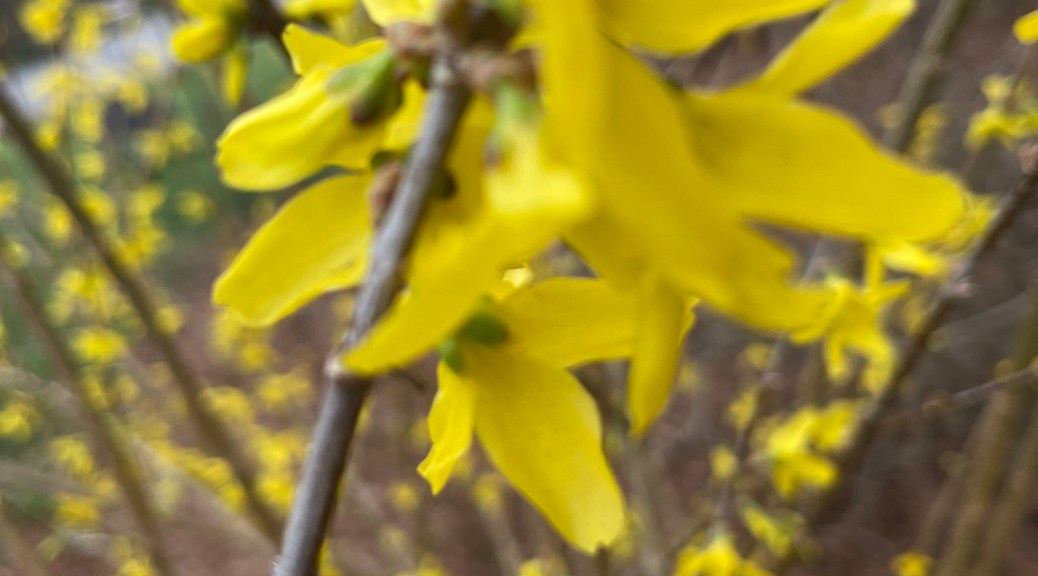
One of the happiest and brightest shrubs in the Southern landscape has to be the Forsythia. You may also know Forsythia as “Yellow Bells”, due to the shape and color of the blossoms . I think the first time I ever heard the term “Yellow Bells” reference to a Forsythia, came from my Granny many years ago when I was growing up.
Complete Spring … Forsythia has 4 petals on each bloom… Forsythia blossoms from the spring are produced on the old wood from previous year. The remaining buds overwinters… the leaves are a gorgeous reddish color in the fall season. A complete bush in all four seasons.
Once the Forsythia breaks into bloom, Spring is not far away. Maybe that is why I consider it to be a “happy bush”. The sunny, vibrant, buttery-yellow blooms signals my brain that the spring gardening season is not far away. That in itself is JOY.
Forsythia is native to China and other parts of Asia
I recently read that the word Forsythia is related to anticipation. Yes, I get that… the anticipation of SPRING… Beautiful, joyful things yet to come.
What can we learn from the Forsythia??? The blooming Forsythia maybe our slumbering winter wake up call. The arrival of these vivid blooms definitely launches me into a spring planning and gardening clean up mindset. Rightfully so, because it is truly the time to begin focusing on some key elements for your lawn and garden maintenance, taking our cues directly from Mother Nature via the blooming Forsythia.
Forsythia is a fast growing shrub but if you must trim it wait until after blooming has been completed.
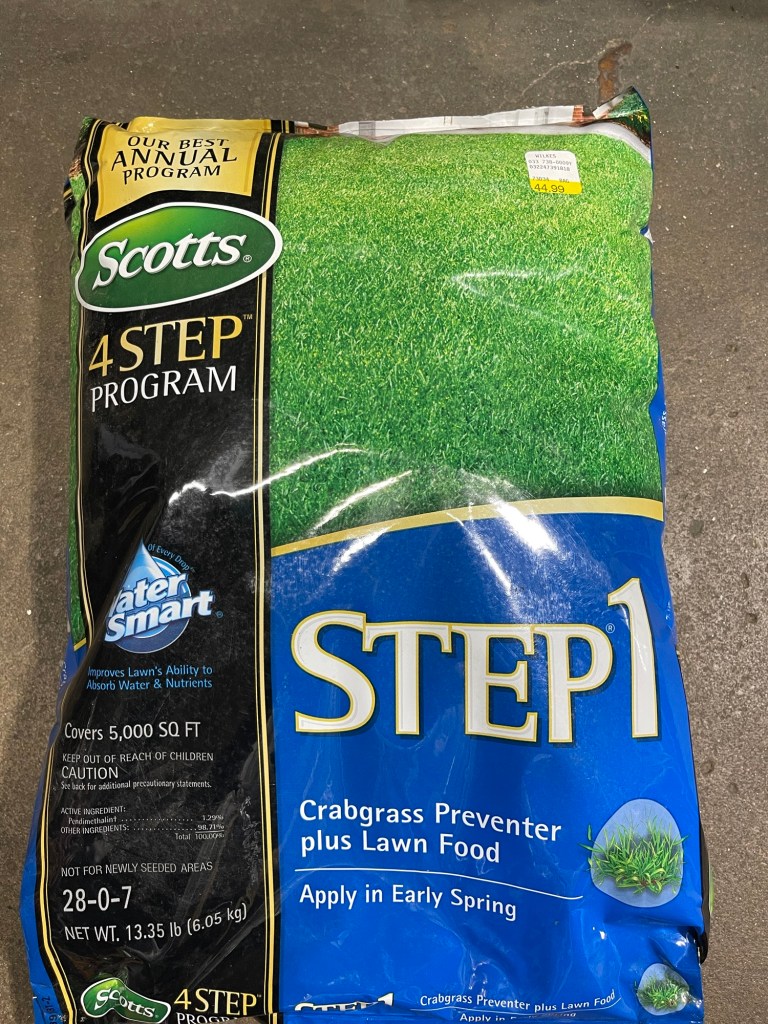
Once the forsythia finishes blooming, pre-emergents (for weed control) can be used in your lawn. A Pre- emergent is used to help prevent weed growth in your lawn… before the weeds actually begin!!!
If you use the “gardening cues” from the golden blossoms of the Forsythia, and apply your pre-emergents on time, it should then be re-applied three months later, so think about another application in June.
A multi-tiered approach may occur at your home… the focus on the garden… starting seeds indoors or even beginning to think about planting cool season crops once the Forsythia blooms are fading all the while working towards a beautiful, green, and healthy lawn. Whatever you decide to plant or grow this year, just enjoy it, savoring the season.
As you are reading this, the time to begin your lawn care maintenance is upon you! In a few short weeks, your actions will be futile if you delay using Pre-emergents and other actions will be necessary in order to avoid weeds in your lawn in the form of post-emergent weed killers like these in the photo. Post-emergent Weed control for lawns: 2-4D works well to reduce weed growth without damaging lawnForcing Forsythia inside can be a lovely way to brighten your mood on those cool, rainy, foggy days in MarchWithin a few days these blooms are opening up! Use a knife to slice the bottom of the stems to open them up so more water can flow into woody stem and make sure to remove bottom blooms in place in warm water. Foggy, rainy March weather
The Forsythia is legendary to hold medicinal qualities in past centuries. I believe that still holds true for me… maybe not so much in the traditional medicinal sense. The vibrant yellow hues are medicine to my soul, gearing up for another sensational Spring. Happy Spring Y’all!
True confession time, I love plants. Now that the truth is out, and I’ve officially said it, “I’m a plant lady”, my green little plant heart is “rooting” for you to get on board with me! I must admit the presence of green plants in my home makes me smile on the dreary, dank, bitterly cold days of winter. Simply put, my Plants bring me joy.
Here’s to Going Green!
October has arrived!
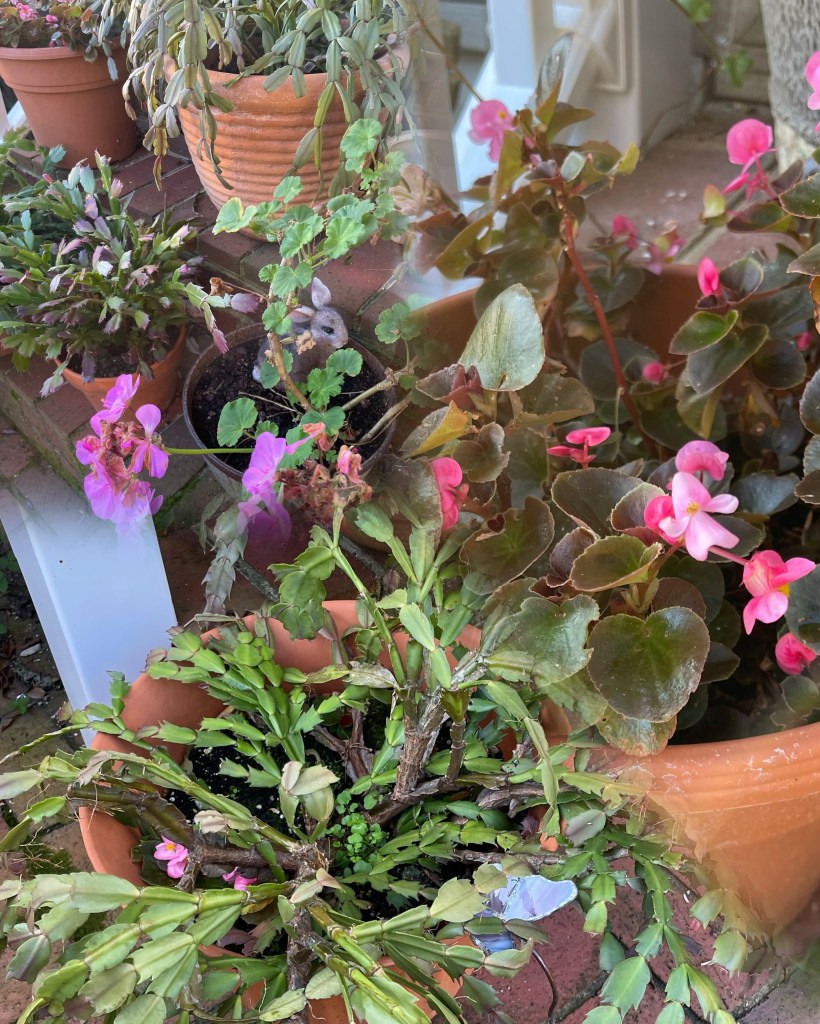
It’s a beautiful time of the year, but the reality for a “Plant Lady” living in western North Carolina, means a significant dip in nighttime outdoor temperatures. Nighttime temperatures can begin to dip into the 50’s some nights. The daytime temperatures are still quite gorgeous with ample, warm sunshine all day. Dare I say, the word FROST! But alas, Frost will be expected by the end of October, if not before. All that being said, my green, tender, warm-natured plants must find residence back inside, as they have enjoyed basking in the summer warmth on the back porch steps for the last few months.
Frosty Fall mornings will be coming soon!
For me, as a “plant mama” who enjoys her houseplants flourishing outdoors during the late spring and summer months, knows the time of change is arriving. I must prepare for the transition from the shaded back porch steps to life indoors for the late Fall and Winter months.
These beauties will be headed inside by the end of this week. Low temperatures are expected to be in the 40’s by Saturday night.
So how do I prep these “green little goddesses” for the adjustment indoors??? AND keep them “growing”all year long. Here’s my step by step guide that I have been using the last few years for moving my cherished plants back inside.
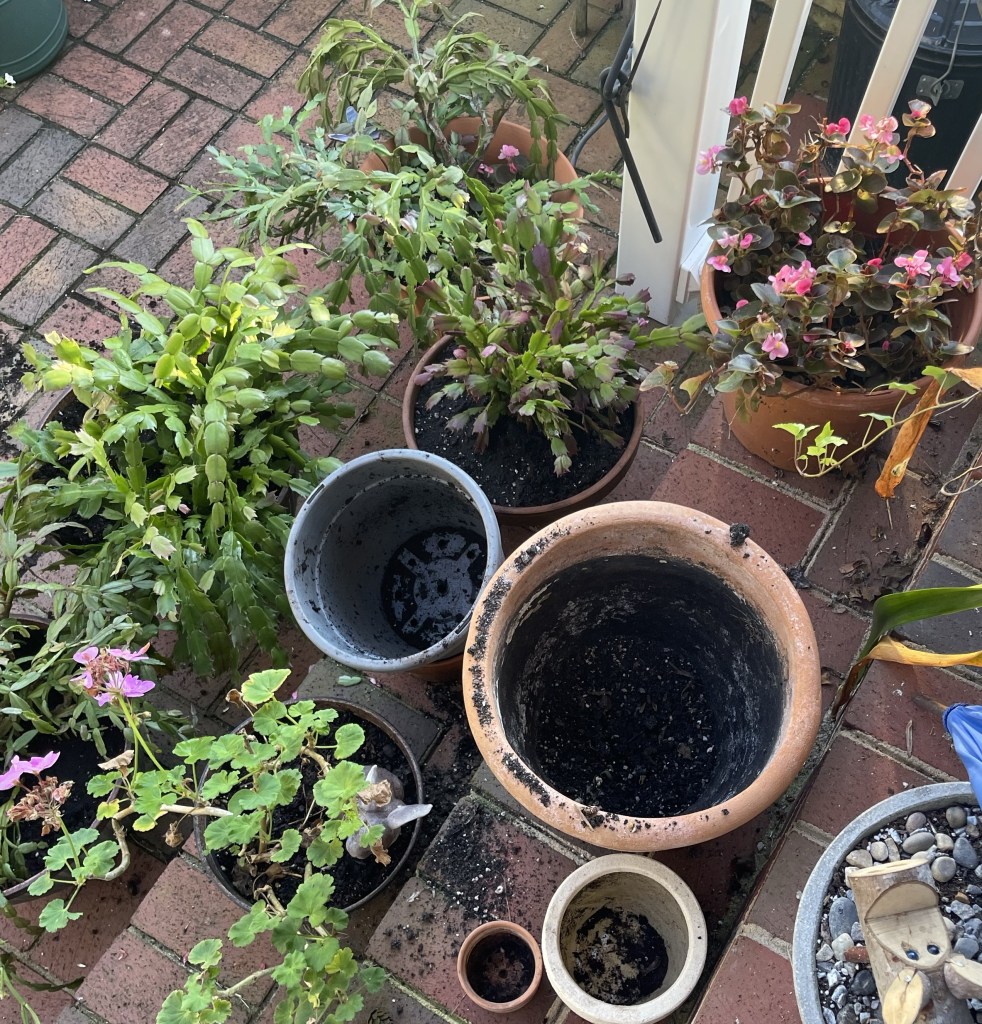
1. Evaluate each plant. Repot if necessary. I tend to repot plants before moving indoors and allow a few days of adjustment before moving inside.
This year, I’m in the process of repotting a few plants prior to moving them indoors.
2. Consult your almanac planting calendarand be a weather watcher!!!! Weather can change quickly and cooler nights are a given in October. Be proactive and begin working towards moving your plant babies back inside in late September or early October before the cold weather hits. I never transplant until it’s a good time to do so! I’m a firm believer in this step! Unsure how to use an almanac??? Click the link below to learn more!
3. Remove any damaged leaves, or dead areas of the plant. Take additional rootings if possible to begin new plants! “Get growing”! What type of plant lady would I be if I didn’t root my own plants 😂.
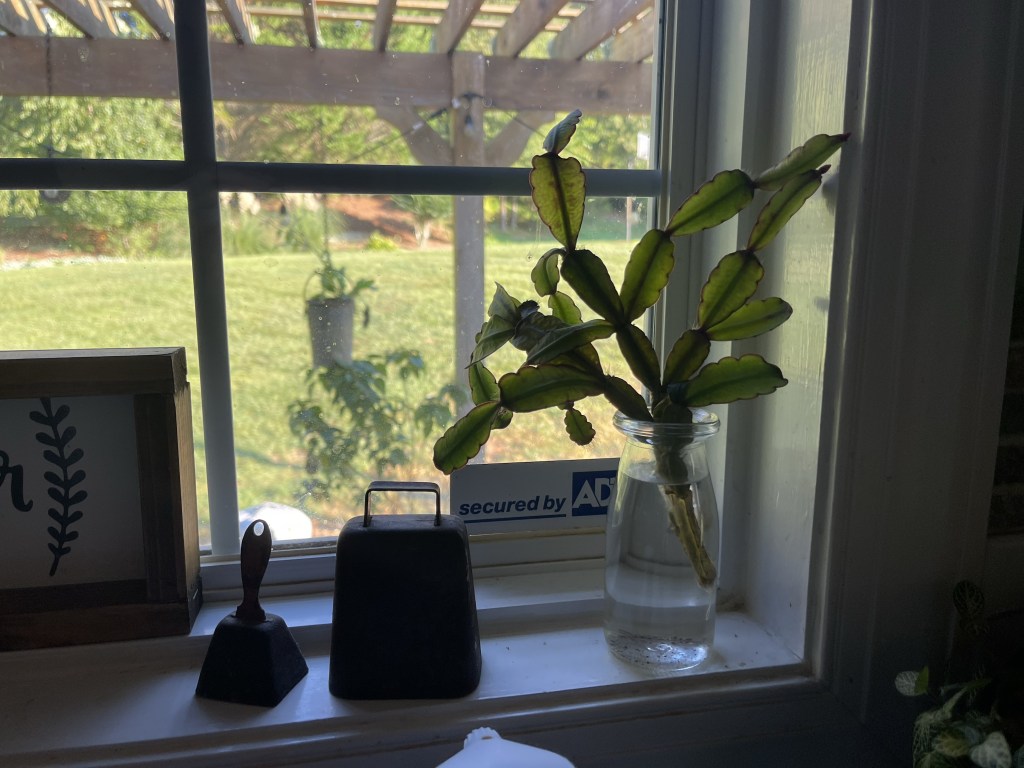
My kitchen window is my rooting station for my newest plants. The sunlight is perfect for them to root beautifully and flourish into a newly established plant. For plant roots that take a little bit of extra work… stocked inside Wilkes County Hardware
4. Spray each plant you plan to move indoors with insecticidal soap. This will help prevent bugs from making their way inside with your plants. I also spray the soil as well. Reapply as needed if pests appear during the fall or winter.
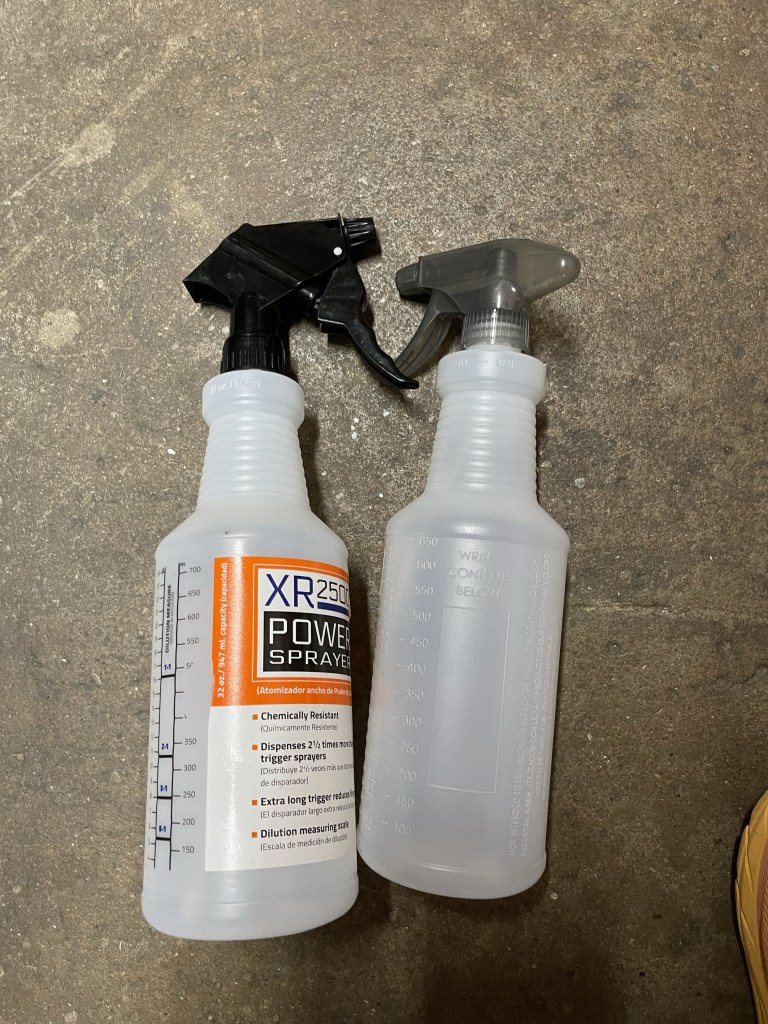
Insecticidal soap sold at Wilkes County Hardware For the DIYer… I’m sure you can find a homemade version of Insect soap on the internet. Spray bottles are a essential item stocked inside Wilkes County Hardware.
5. Clean pot to remove surface dirt prior to moving indoors.
6. Call in the “troops for assistance” if needed… to help move your plants inside. Make it a family project! Get everyone involved!
7. Find the sweet spots… where are these plants going to thrive and have the correct light requirements. Take note to keep plants away from heat registers, drafts to maximize the plants potential.
8. Find your joy in planting! I do have plants that I haven’t been able to get “growing”. But, I haven’t given up on all plants. Take the time to grow what you love and find your joy! Final plant motivation thoughts… “I beleaf” in you! Take a “leaf of faith”! You can do this! I’m “rooting” for you!
Living the "hardwarelife", join us in our journey of hardware store ownership






 The Hardware Life - A wife's journey into the hardware business