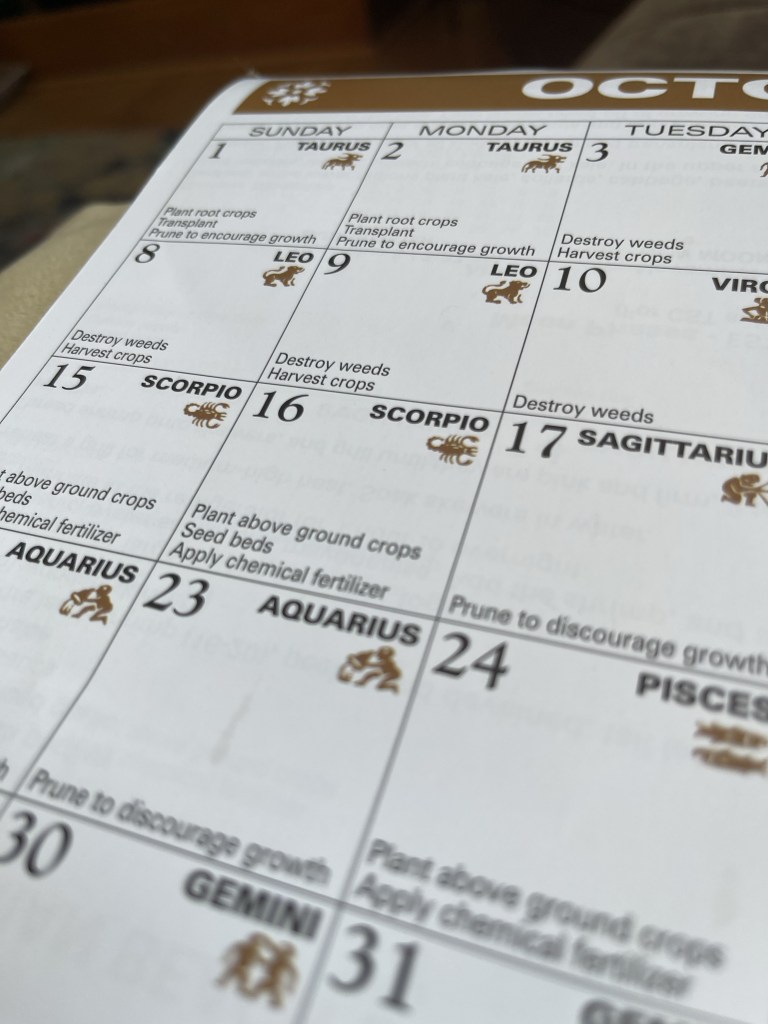
Do you know how to read an almanac??? This is one of the those things that was passed down to me. My Granny taught me how to use and read the Blum’s Almanac. I’m very thankful that she taught me how to do this. A part of my Granny’s legacy now can live on with me as I plant each season. I do plant and transplant by the almanac signs and use the Almanac prior to planting. It’s my “Gardening Bible”.
Here’s the signs I look for to plant or transplant Full Month view by each day complete with moon phases The signs to stay away from when you need to plant 🪴 but these are great for weeding or trimming.
I hope this is a helpful tutorial especially if you have never done or used this before via picture format. Wilkes County Hardware keeps the Blum’s Almanac in stock each year. Last year was the first year that we debuted the garden calendar. Look for the 2024 editions to arrive in November.
This is definitely the quick version of a plant guide!!! Love it 😍
FYI: Some folks will not get a haircut, have a dental procedures, or even have major surgery IF the sign isn’t correct. I have answered many questions for people when it was a good time to can, or what the correct body sign was because they had a medical procedure upcoming.
Dental procedures… wait for a sign that is below the waist for faster wound healing.
I am a firm believer in using this as my planting guide. I haven’t ever used the Almanac to plan a surgery or a haircut, so I can not speak to the effectiveness of this expertise… the Almanac does say it does not give medical advice, but provides advice on the best days to do such activities such as gardening, and cooking. The “Zodiac man signs” are included as the 12 signs dividing the human body into parts. Ancient astrologers believed that each sign influenced a certain portion of the body, so folks have used this for years seeking the “best days” medical advice.
True confession time, I love plants. Now that the truth is out, and I’ve officially said it, “I’m a plant lady”, my green little plant heart is “rooting” for you to get on board with me! I must admit the presence of green plants in my home makes me smile on the dreary, dank, bitterly cold days of winter. Simply put, my Plants bring me joy.
Here’s to Going Green!
October has arrived!
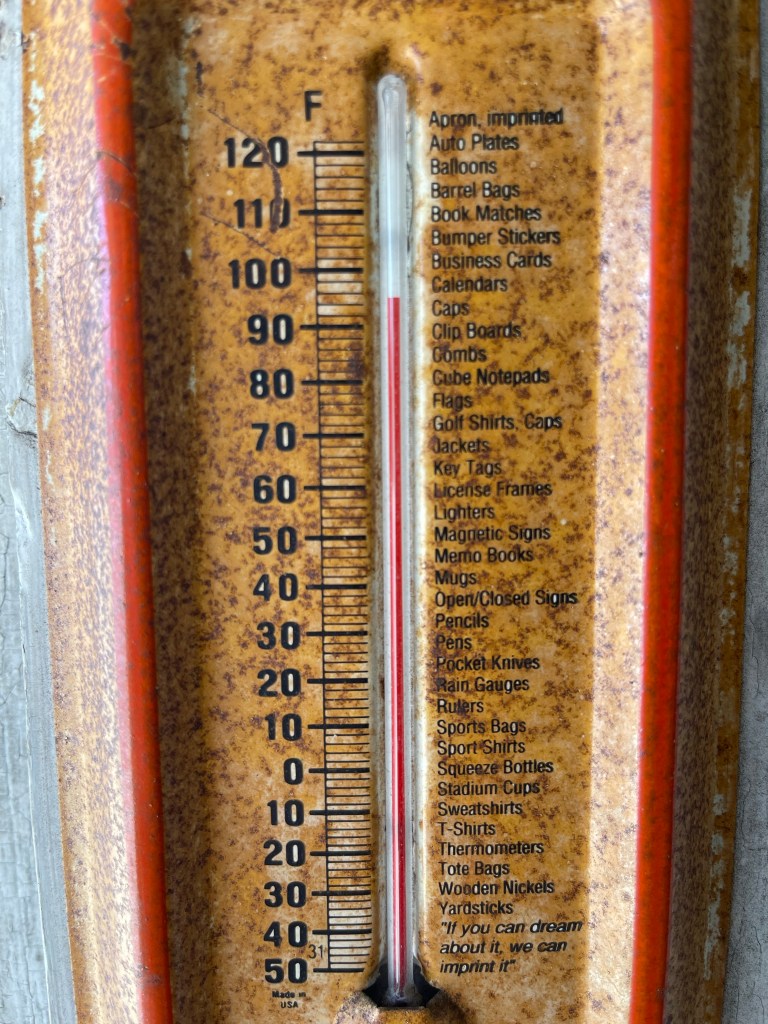
It’s a beautiful time of the year, but the reality for a “Plant Lady” living in western North Carolina, means a significant dip in nighttime outdoor temperatures. Nighttime temperatures can begin to dip into the 50’s some nights. The daytime temperatures are still quite gorgeous with ample, warm sunshine all day. Dare I say, the word FROST! But alas, Frost will be expected by the end of October, if not before. All that being said, my green, tender, warm-natured plants must find residence back inside, as they have enjoyed basking in the summer warmth on the back porch steps for the last few months.
Frosty Fall mornings will be coming soon!
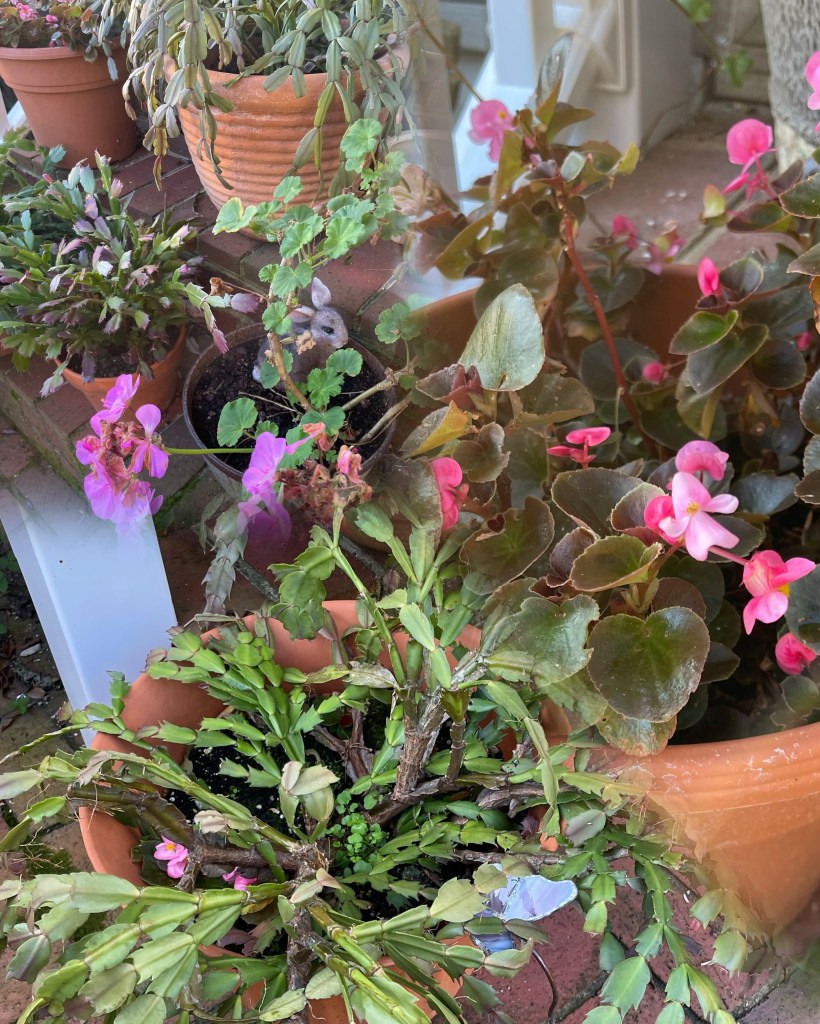
For me, as a “plant mama” who enjoys her houseplants flourishing outdoors during the late spring and summer months, knows the time of change is arriving. I must prepare for the transition from the shaded back porch steps to life indoors for the late Fall and Winter months.
These beauties will be headed inside by the end of this week. Low temperatures are expected to be in the 40’s by Saturday night.
So how do I prep these “green little goddesses” for the adjustment indoors??? AND keep them “growing”all year long. Here’s my step by step guide that I have been using the last few years for moving my cherished plants back inside.
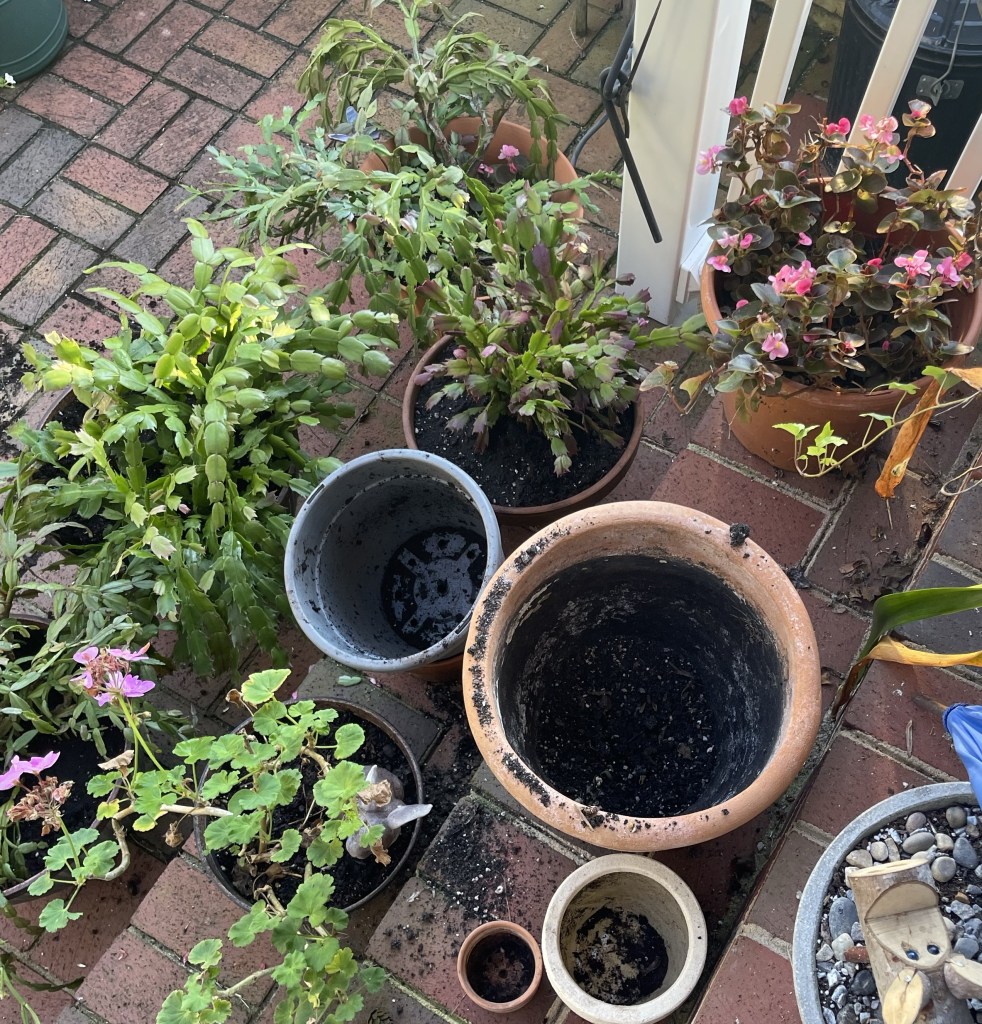
1. Evaluate each plant. Repot if necessary. I tend to repot plants before moving indoors and allow a few days of adjustment before moving inside.
This year, I’m in the process of repotting a few plants prior to moving them indoors.
2. Consult your almanac planting calendarand be a weather watcher!!!! Weather can change quickly and cooler nights are a given in October. Be proactive and begin working towards moving your plant babies back inside in late September or early October before the cold weather hits. I never transplant until it’s a good time to do so! I’m a firm believer in this step! Unsure how to use an almanac??? Click the link below to learn more!
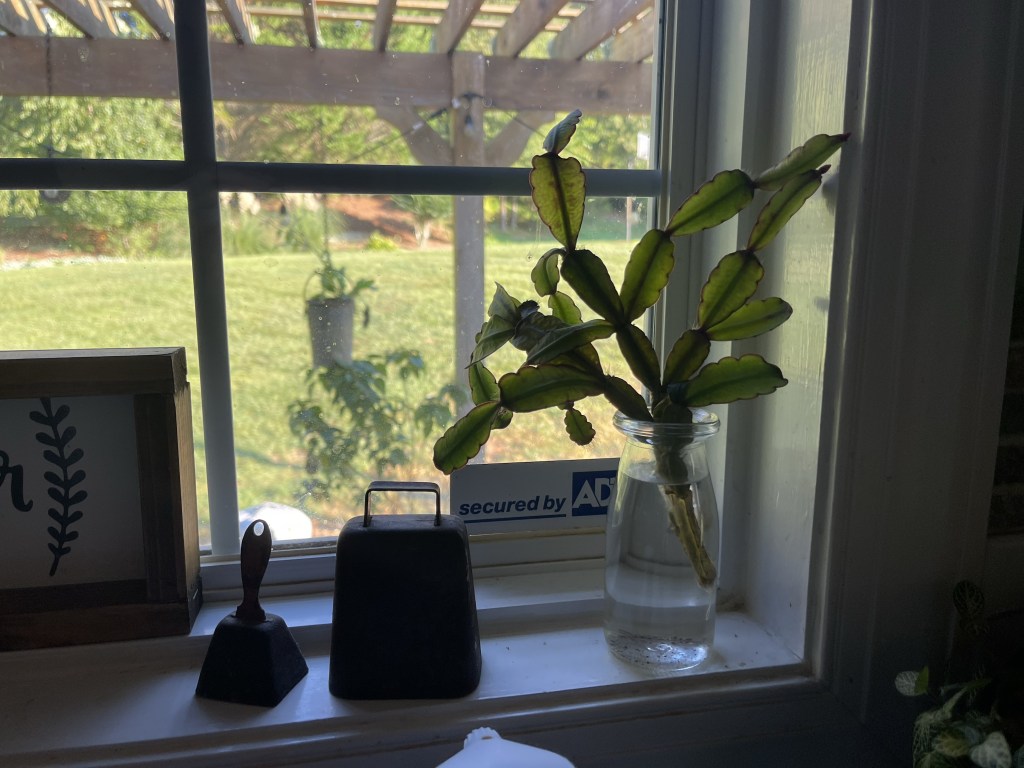
3. Remove any damaged leaves, or dead areas of the plant. Take additional rootings if possible to begin new plants! “Get growing”! What type of plant lady would I be if I didn’t root my own plants 😂.
My kitchen window is my rooting station for my newest plants. The sunlight is perfect for them to root beautifully and flourish into a newly established plant. For plant roots that take a little bit of extra work… stocked inside Wilkes County Hardware
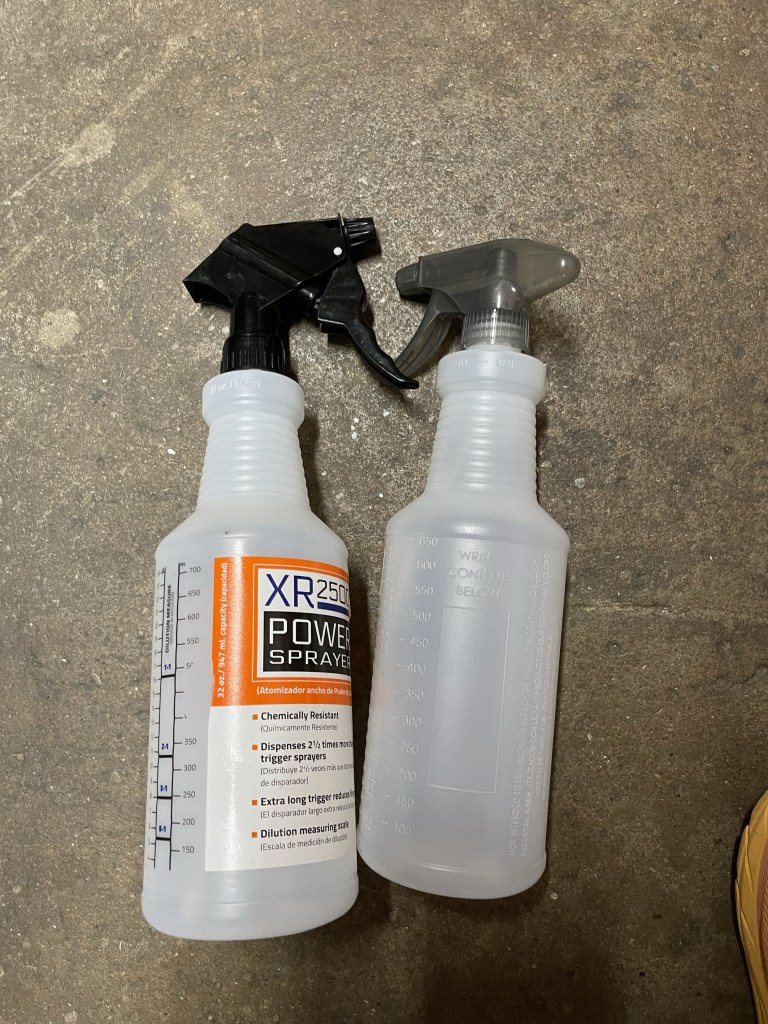
4. Spray each plant you plan to move indoors with insecticidal soap. This will help prevent bugs from making their way inside with your plants. I also spray the soil as well. Reapply as needed if pests appear during the fall or winter.
Insecticidal soap sold at Wilkes County Hardware For the DIYer… I’m sure you can find a homemade version of Insect soap on the internet. Spray bottles are a essential item stocked inside Wilkes County Hardware.
5. Clean pot to remove surface dirt prior to moving indoors.
6. Call in the “troops for assistance” if needed… to help move your plants inside. Make it a family project! Get everyone involved!
7. Find the sweet spots… where are these plants going to thrive and have the correct light requirements. Take note to keep plants away from heat registers, drafts to maximize the plants potential.
8. Find your joy in planting! I do have plants that I haven’t been able to get “growing”. But, I haven’t given up on all plants. Take the time to grow what you love and find your joy! Final plant motivation thoughts… “I beleaf” in you! Take a “leaf of faith”! You can do this! I’m “rooting” for you!
Summer is yet another season. Many of y’all may not enjoy the hottest months of the year, but don’t forget to savor the memories you make each and every day with those you love. Each photo I have taken has a connection to those I love, even though it may not a visible sign to you as you view each image. I hope you enjoy my favorite collection of summer 2023 photographs and remember to enjoy each day.
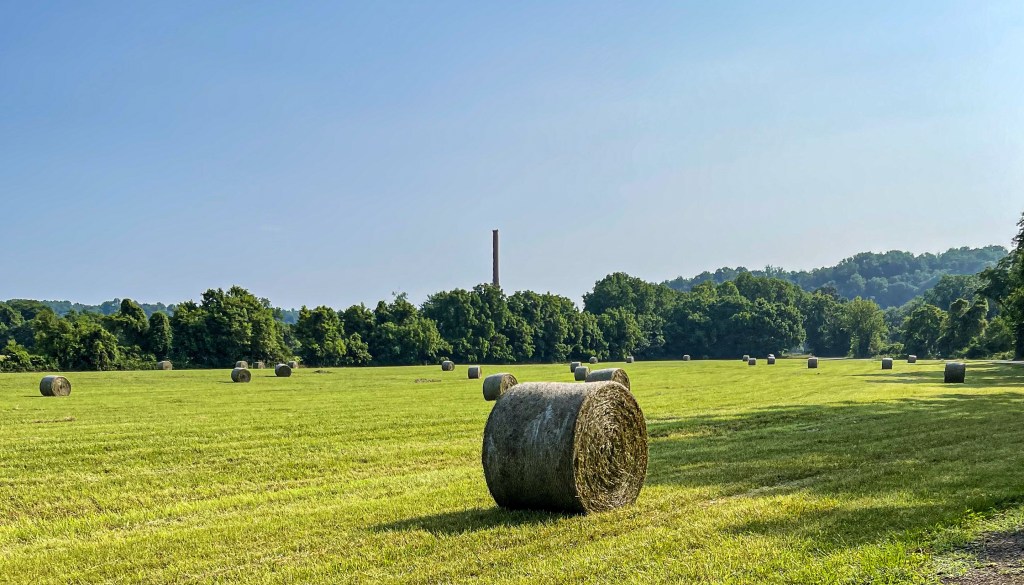
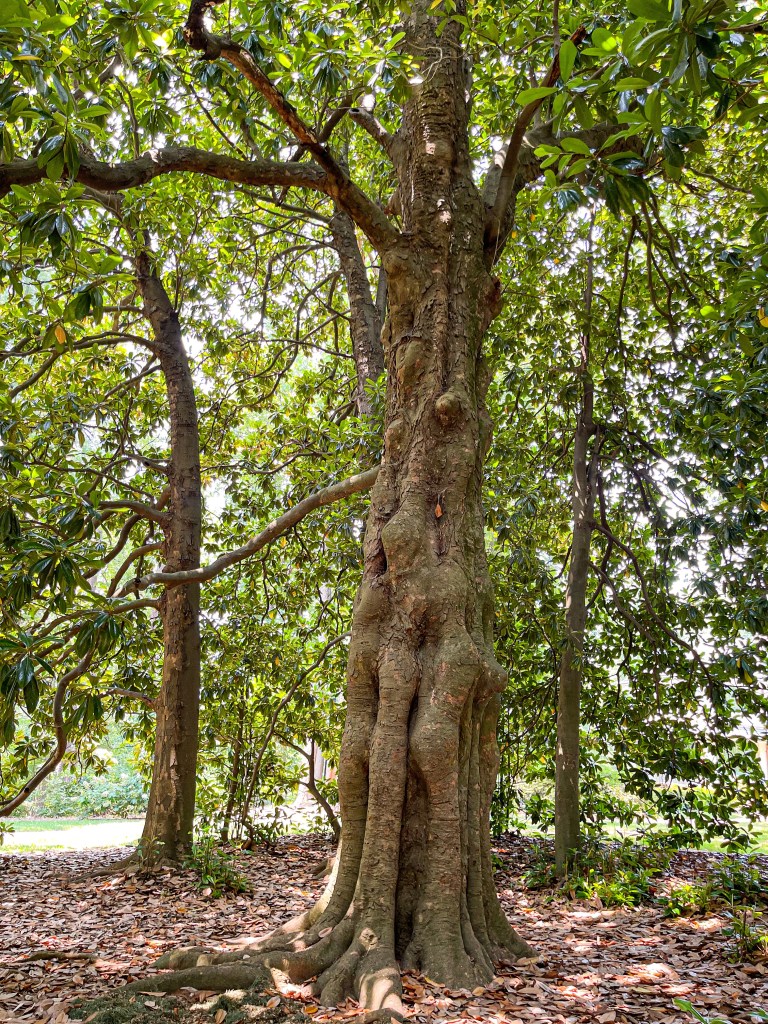
Summer is simply incomplete without the best fresh fruit Squash Cheddar & Rosemary Bread Summer temperatures often climb high! Light fog hanging in the trees This little zinnia was too cute not to capture, simply imperfect but stunning at the same time Love the red! Our new mural was completed this summer outside the hardware store Sunlight filtering in through the trees In bloom Lovely, large petals! Summer in Wilkes County, cut hay, roll it and putting it up Growing Grapes The Blue Ridge Mountains, storm is coming Blue Ridge Overlook Unique Heavy August Morning Fog… Foggy mornings in August could indicate the snowfall forecast for our coming winter season Good morning sunshine! Purple Crape Myrtle Canning season Growing corn fields Summertime Vacay… a walk along a pier to find this Oldie Goldie Calabash On my perch Clouds stirring in the water Pier walk Serenity Heavy clouds above the pier A quiet place Kudzu blooms Kudzu blooming is aromatic and distinctive
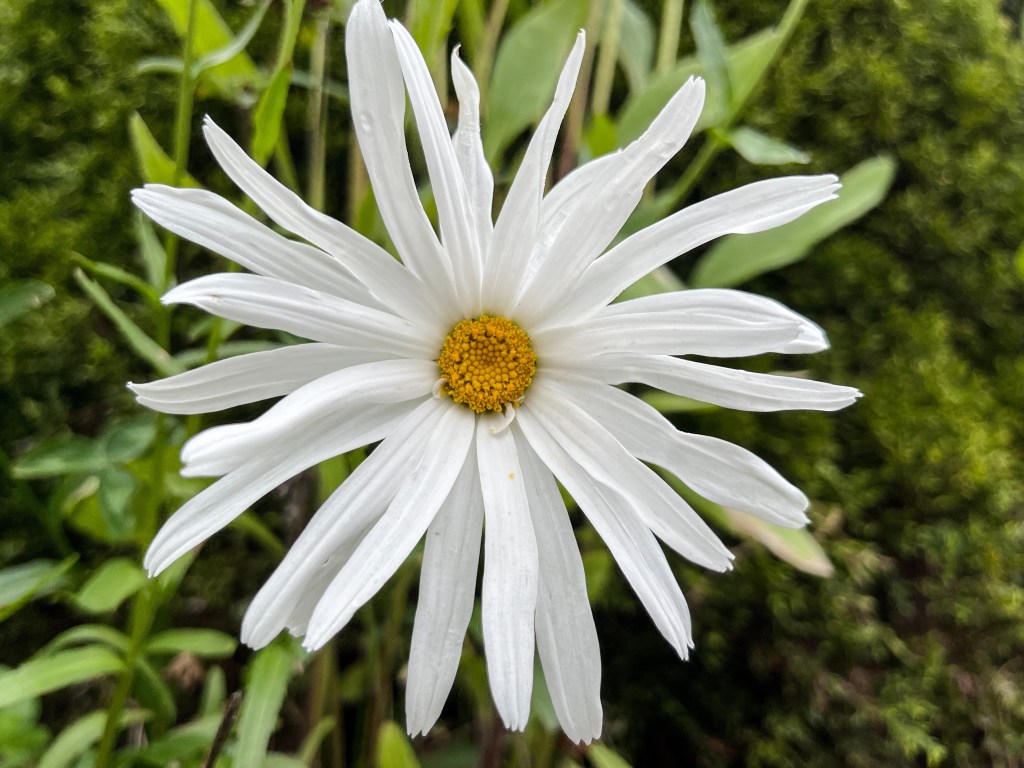
These daisies started blooming last week. Just in time for the beginning of June.
The warmer temperatures are definitely here to stay. After reviewing the almanac for the entire month of June, it appears that it is a wonderful time to share with y’all all of the information for you to get growing this Month in June. No, it’s not too late to plant! We still have plenty of warm days ahead to begin seeds, and enjoy flowers all summer long.
Stop by and pick up a few more seeds! We have a small bundle of these gardening guides left. Stop by to pick one up soon!
June Gardening Guide
June 1-2 Planting DaysJune 3-4 : Harvest Days These lettuce seeds were planted in May and almost ready to harvest! June 5-6 : Plant root crops, prune to encourage growth June 7-8: Destroy weeds, and harvest crops . Wilkes County Hardware has a wide selection of weed control products… sprays and concentrate. June 9-10: plant, transplant, prune to encourage growth, apply organic fertilizer. Black Wonder composting soil now back in stock!
June 11-12: Harvest crops
June 13-14 : plant, transplant, prune to encourage growth
WCH Recommends: Baccto potting soil
June 15-17: destroy weeds, harvest crops
WCH Recommends: A 2-4D concentrate will not harm your grass but targets the existing weeds.
June 18-19: plant, transplant, seed beds, prune to encourage growth, apply chemical fertilizer
By mid June your garden should be in full bloom!
June 20-24: Barren signs means a great time to do weed control. Never plant during a barren sign… slow to no growth. Never trim bushes or trees during a barren sign.
June 21st Marks the first day of Summer!
June 25-29: planting days resume. June 28-29 are good days to seed beds, apply chemical fertilizer.
June is a good time to address any emerging issues that you might have with your roses. Be proactive, and shop early to prevent any damage.
June 30th: Prune to discourage growth
No matter what you grow this year… flowers, vegetables or maybe both… just enjoy your surroundings. Happy Planting!
Have you noticed that the grass is greener and the trees are lush with leaves?? The May flowers are emerging with blooms and the bees are busy gathering pollen. The hum of spring is underway.
The birds, bees and hummingbirds are humming the sounds of spring and summer.
Which leads me to my next question… Are y’all ready for hummingbird season? Here in North Carolina our season officially begins each year around Late March – mid April. Yes, Put your hummingbird feeder out around tax season- April 15th as they are warm season birds. If you looked at your calendar lately, it is already May😳.
Have you spotted any hummingbirds yet near your feeder??? Do you have your feeder out???
If you haven’t prepared for your tiny visitors yet, you can visit us at Wilkes County Hardware for a great hummingbird season. Did you know that hummingbirds tend to return to the same areas as the previous year? Hummingbirds are migratory birds & they will be eager to find a full feeder. Hummingbirds will return to the same source of food each and every year, if it is readily available. Be ready with a full feeder for your favorite little hummers.
What if you have never been successful in attracting hummingbirds to your garden??? Can you find success in 2023??? Yes!
Creating A Hummingbird Habitat: A Few Tips for a successful season
1. Hummingbird feeders ideally should be placed 15-20 feet from a window. Shrubs and trees nearby for resting areas for hummingbirds as they feed, and a have water source close by like a bird bath or a fountain.
2. Hummingbird Feeders should be cleaned out every few days as the temperature begins to warm up and feeder should not be placed into full sun.
3. Hummingbirds will be attracted to all the beautiful colors in your yard/garden. Yes, you can plant certain flowers that will attract hummingbirds. Vines, certain perennials, and tubular flowers are welcome sources of nectar. This year is a great year to add those into your landscape. Our flower seed order is already in the hardware store. Stop by to purchase some new flower seeds soon. To add these lovely flowers into your lush garden landscape.
WCH Recommends: Morning Glory and Hummingbird Mix
4. Your Hummingbird feeder should be easily visible for your enjoyment and easy to spot by the hungry little hummingbird.
WCH Recommends: A Shepherd’s Hook to viewing your feeder easily
5. Be patient, it may take several weeks before you notice any little hummers at your feeder. Leave your feeder in place for a least two weeks before moving it to a different location.
6.Lastly, use clear nectar in your feeder only. Yes, hummingbirds love the color red, but nectar is clear in its most natural form…the beautiful red, tubular flowers that hummingbirds love to feed from in nature. If you wish to attract more hummers, then go for a red hummingbird feeder and clear nectar.
WCH Recommends: Clear Hummingbird Nectar
Living the "hardwarelife", join us in our journey of hardware store ownership